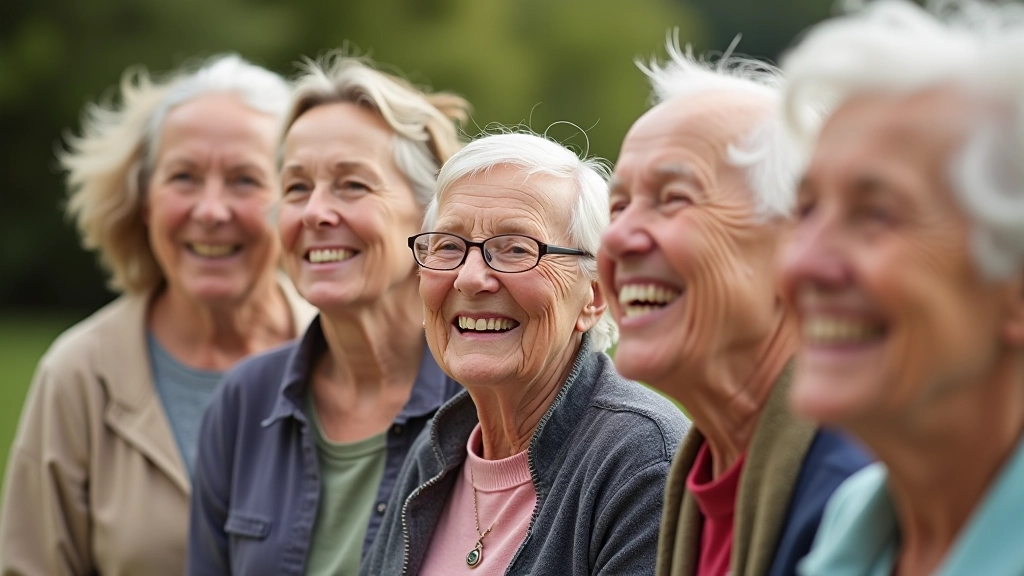
Finding a community that genuinely resonates with you isn't just nice to have — it's transformative. Whether you're looking to expand your social circle, reconnect with old interests, or discover entirely new passions, the right community can reshape how you experience this chapter of your life. The good news? There's more available now than ever before, especially here in Ireland.
Many people assume that finding "their people" gets harder with age. The reality's quite different. You're actually in a much stronger position to find meaningful connections because you know yourself better, you've got less to prove, and you're more likely to invest in relationships that truly matter.
Why Community Matters More Than You Think
Social connection isn't a luxury — it's a genuine health factor. Research consistently shows that people with strong community ties live longer, recover from illness faster, and report significantly higher life satisfaction. In Ireland particularly, where community has deep cultural roots, there's an incredible foundation to build on.
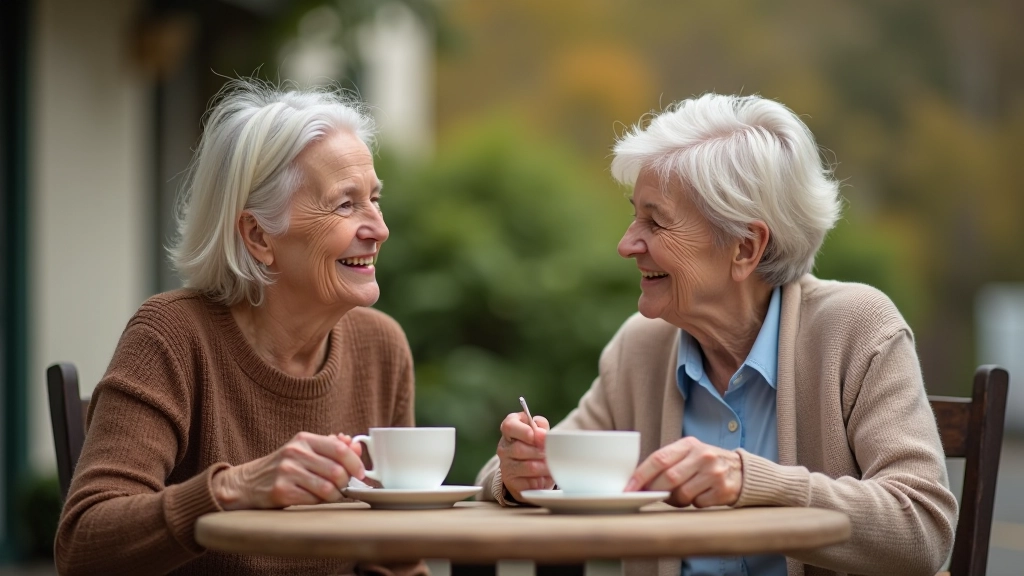
The difference between belonging to a community and going it alone isn't subtle. You're looking at better sleep quality, stronger immune function, and improved mental resilience. Plus, you'll have people who genuinely care about how your week went — not because they have to, but because they choose to.
Three types of connection matter:
- Intimate relationships (close friends and family)
- Social connections (activity-based groups and clubs)
- Community belonging (broader networks with shared values)
The Different Flavours of Community
Communities aren't one-size-fits-all. What appeals to you might be completely different from what your neighbour loves — and that's perfect. There's genuinely something for everyone.
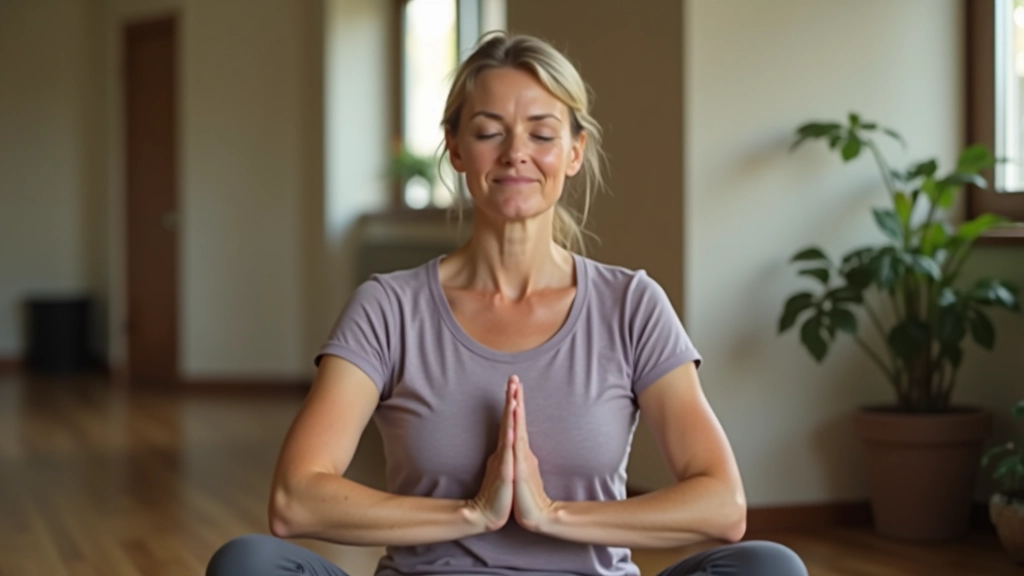
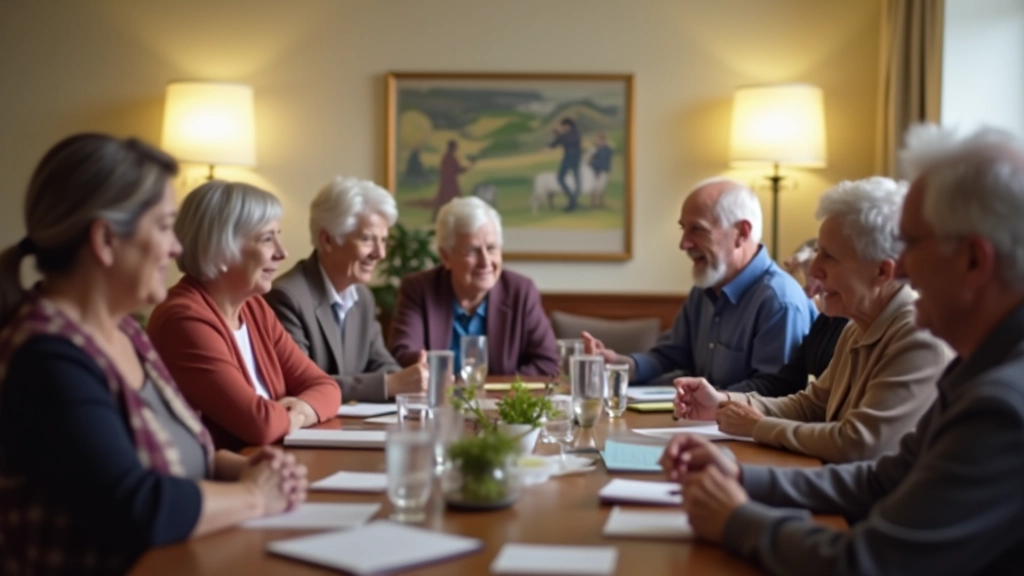
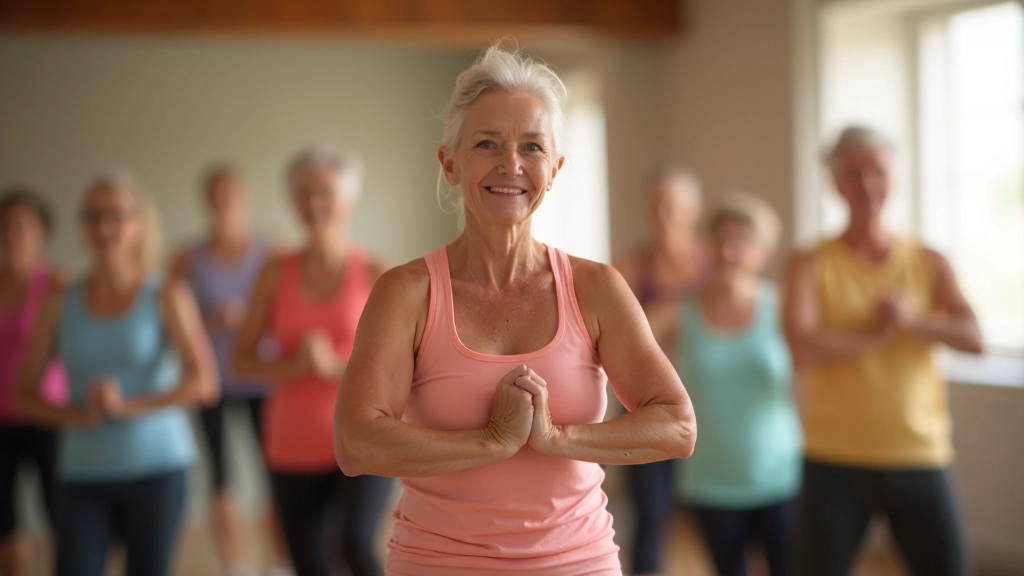
Interest-based communities gather around shared hobbies: book clubs, gardening groups, art classes, or walking clubs. These work brilliantly because you're already doing something you enjoy, and conversation flows naturally around that activity. You're not forcing connection; it happens as a byproduct of shared passion.
Then there are purpose-driven communities — volunteering groups, environmental initiatives, advocacy organisations. These tend to attract people who want to make a difference, which creates a different energy. You're building friendships while actually contributing to something meaningful.
Finally, there are learning-focused communities. Workshops, classes, study groups. These are brilliant because you're all showing up with curiosity, and that naturally bonds people together.
How to Actually Find Your Community
The search itself can feel overwhelming. Where do you even start? Here's what works:
Start with what you already like
Don't overthink it. If you enjoy walking, search for walking groups. Love cooking? Find cooking classes. Interested in history? Local historical societies exist everywhere. You're looking for the easiest possible entry point — something you'd do anyway.
Check local council websites and community centres
Every local authority in Ireland publishes activity schedules. Community centres, libraries, and leisure centres are goldmines. Most offer classes, drop-in sessions, and social groups. Many are subsidised, so they're genuinely affordable.
Tap your existing network
Tell people you know what you're looking for. "I'd like to meet people interested in gardening" or "I'm thinking about trying yoga." Word-of-mouth recommendations carry weight, and your existing friends often know about groups that aren't heavily advertised.
Give things a fair go
One visit doesn't tell you much. Go at least three times. The first time you're nervous and sizing people up. The second time you're a bit more relaxed. By the third visit, you've got a genuine sense of whether this group clicks with you.
A Note on Finding Your Fit
This guide is informational — it's about exploring what's available and understanding how different communities work. Everyone's circumstances are different. Your physical ability, transport access, financial situation, and personal preferences will all shape what works for you. If you're dealing with health concerns or significant life transitions, it's worth talking through your options with a healthcare provider or counselor who knows your full situation. The goal isn't to force yourself into any particular community — it's to find spaces where you genuinely belong.
Your Community Is Out There
The people you're looking for? They're looking for you too. They're sitting in book clubs hoping someone interesting will walk through the door. They're in gardening groups, dance classes, volunteer organisations, study circles — all wondering if anyone else out there gets what they're about.
Finding your senior community isn't about becoming someone different. It's about finding the people who appreciate exactly who you are. It takes a bit of effort to show up and try things, sure. But the investment pays dividends in ways that surprise you.
Start small. Pick one thing that appeals to you. Show up. See what happens. You're not committing to anything — you're just opening a door. And behind that door, there's probably someone really interesting who's been hoping you'd walk through.
Continue Exploring